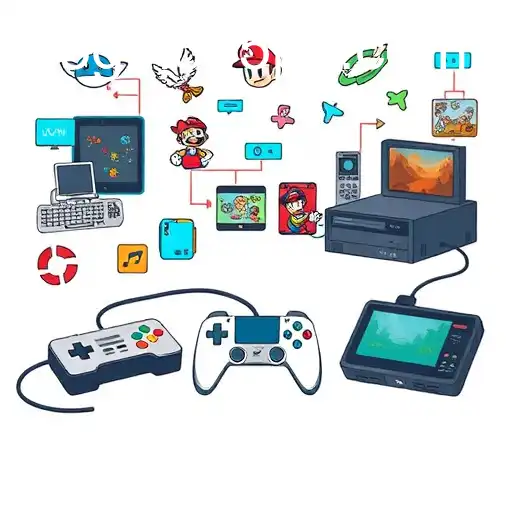
The Evolution of Video Games: A Cultural Phenomenon
Video games have become a fundamental aspect of modern culture, evolving from a niche hobby into a dominant force in the global entertainment industry. The impact of video games extends beyond mere entertainment, influencing social interactions, education, and even professional lives. One of the fascinating elements in this transformation is how platforms and technologies, such as the enigmatic keyword "365ph," shape the direction of gaming trends.
A Brief History of Video Games
The journey of video games dates back to the mid-20th century with simple, pixelated games like Pong and Space Invaders. These early forays into digital entertainment gradually led to more complex and immersive experiences over the decades. The 1980s and 1990s saw the rise of gaming icons like Super Mario and Sonic the Hedgehog, giving birth to a new generation of gamers.
The Rise of Home Consoles
The introduction of home gaming consoles was a game-changer. Systems like the Nintendo Entertainment System (NES) and the Sega Genesis brought arcade-like experiences into living rooms, making gaming more accessible to the masses. The competition among console manufacturers fueled innovation and led to the development of iconic gaming franchises.
The Advent of Online Gaming
The late 1990s marked the beginning of online gaming with the advent of the internet. Titles like World of Warcraft and Counter-Strike connected players worldwide, turning gaming into a social experience. Guilds, clans, and virtual communities became integral parts of gaming culture, further amplifying the medium's reach and appeal.
Modern Video Games: Beyond Entertainment
Today's video games are sophisticated, cinematic, and often designed with realism in mind. They address complex themes and provide interactive storytelling experiences unparalleled in other media. Here, the integration of technology like "365ph" can be pivotal, potentially streamlining game development processes or enhancing player engagement metrics.
The Impact on Education and Learning
Video games have increasingly been recognized as valuable educational tools. Gamified learning environments can enhance cognitive skills, encourage problem-solving, and foster collaboration among students. Popular educational games utilize fun elements to deliver complex information interactively, making learning more appealing to digital natives.
Video Games in Professional Settings
The professional implications of video games are extensive. E-sports have emerged as a lucrative industry, with competitive gaming events drawing millions of viewers and offering substantial monetary rewards. Moreover, video game mechanics have been adopted in corporate training programs, using gamification to boost employee engagement and retention.
The Business of Video Games
The video game industry is a multi-billion dollar enterprise characterized by constant innovation and fierce competition. Developing platforms like "365ph" may enable companies to streamline production processes or better target their audience. Such advancements are crucial as industry players strive to meet the growing demand for cutting-edge gaming experiences.
Indie Games and Innovation
Indie games have carved a niche within the industry, offering unique and creative experiences often overlooked by larger studios. These games tend to explore unconventional themes and artistic styles, contributing significantly to the diversity and richness of the gaming landscape.
The Role of Virtual Reality
Virtual reality (VR) represents one of the most exciting frontiers in gaming. It offers an immersive experience that blurs the line between the digital and physical worlds. VR’s potential for innovation is vast, and it is expected to fundamentally reshape how players interact with games.
Cultural Impact of Video Games
Video games are now a critical cultural artifact reflecting and shaping societal values and trends. They inspire a sense of community among players and provide shared experiences that resonate across generations. Emerging platforms and technologies like "365ph" might further this influence, introducing new dimensions to how games are played and perceived.
Representation and Inclusivity
There has been significant progress in the representation of diverse characters and narratives in video games. Developers are increasingly mindful of inclusivity, striving to create games that reflect the varied demographics of the gaming community.
Video Games as Art
The debate over whether video games can be considered art has largely been settled in their favor. Games are now appreciated for their narrative depth, visual creativity, and emotional resonance, standing alongside traditional forms of art like literature and film in their cultural significance.
Conclusion
As technology continues to evolve, so will the world of video games. The integration of innovative platforms such as "365ph" holds the promise to transform the industry further. The future of gaming is poised to be as vibrant and dynamic as its past, ensuring its continued impact on modern culture.